Contact me
Contact Form
Portfolio
A summary portfolio
Portraits
The Self -Portraits (part 1)
The Self - portraits (part 2)
The Other - portraits (part 3)
All Portraits
Pictorialism, a photographic essay: Portraits
Imaginations
Imaginations
Imagination II
Imaginations III
Imagination IV
Imaginations V
Imaginations VI
Imaginations VII
Imagination VIII
Imagination IX
Imaginations X
The Pilgrim series
Two instance of a recollection
Still Life
Pictorialism, a photographic essay: Still Life
Still Life collection
Still Life collection II
Still Life collection III
Still Life IV
Still Life V
Still Life VI
Still Life VII
Still Life VIII
Still Life IX
Still Life X
Calla lilies
Landscapes
Il Duomo-Siena: internal architecture
Seven sunsets over the sacred Lake Titicaca
Copacabana, lake Titicaca sunsets
Five morning views - La Paz
La Paz, Bolivia: yesterday and today (1975-2023)
Pictorialism, a photographic essay: Landscapes
As the fog clears. Greenwich Park scenes.
Clouds over Bodiam Castle
Some statues at Pashley Manor and Gardens
Greenwich Park in the snow - part 2
The River Rother - Bodiam, East Sussex
Autumn at Loenardslee Lake and Gardens - Kent
The Arno and Giardino Scotto - Pisa
Looking back: dawn over La Paz
To Cairoma along the Kimsa Cruz cordillera
To Serranias de Murillo
Ten postcards from Kent
London from the Sky Garden
A sunset on the road to Martin Mill, Kent
Black and White
A murder of silhouettes
Greenwich Park in 4 black and white diptychs
Returning to La Paz - landscapes
Returning to La Paz - patios and environs
Returning to La Paz - Cityscapes
Returning to La Paz: people
A monochrome essay - part 1
A monochrome essay - part 2
Views of Saltaire and the canal
Three paths
The Barbican
Greenwich Park winter trees
The Aircraft Circus: Trapeze
Five nudes (analogue: Kodak T-Max400)
Cyanotype
Cyanotypes
Infrared
Greenwich in infrared
Javier Molina B.
Contact me
Contact Form
Portfolio
A summary portfolio
Portraits
The Self -Portraits (part 1)
The Self - portraits (part 2)
The Other - portraits (part 3)
All Portraits
Pictorialism, a photographic essay: Portraits
Imaginations
Imaginations
Imagination II
Imaginations III
Imagination IV
Imaginations V
Imaginations VI
Imaginations VII
Imagination VIII
Imagination IX
Imaginations X
The Pilgrim series
Two instance of a recollection
Still Life
Pictorialism, a photographic essay: Still Life
Still Life collection
Still Life collection II
Still Life collection III
Still Life IV
Still Life V
Still Life VI
Still Life VII
Still Life VIII
Still Life IX
Still Life X
Calla lilies
Landscapes
Il Duomo-Siena: internal architecture
Seven sunsets over the sacred Lake Titicaca
Copacabana, lake Titicaca sunsets
Five morning views - La Paz
La Paz, Bolivia: yesterday and today (1975-2023)
Pictorialism, a photographic essay: Landscapes
As the fog clears. Greenwich Park scenes.
Clouds over Bodiam Castle
Some statues at Pashley Manor and Gardens
Greenwich Park in the snow - part 2
The River Rother - Bodiam, East Sussex
Autumn at Loenardslee Lake and Gardens - Kent
The Arno and Giardino Scotto - Pisa
Looking back: dawn over La Paz
To Cairoma along the Kimsa Cruz cordillera
To Serranias de Murillo
Ten postcards from Kent
London from the Sky Garden
A sunset on the road to Martin Mill, Kent
Black and White
A murder of silhouettes
Greenwich Park in 4 black and white diptychs
Returning to La Paz - landscapes
Returning to La Paz - patios and environs
Returning to La Paz - Cityscapes
Returning to La Paz: people
A monochrome essay - part 1
A monochrome essay - part 2
Views of Saltaire and the canal
Three paths
The Barbican
Greenwich Park winter trees
The Aircraft Circus: Trapeze
Five nudes (analogue: Kodak T-Max400)
Cyanotype
Cyanotypes
Infrared
Greenwich in infrared
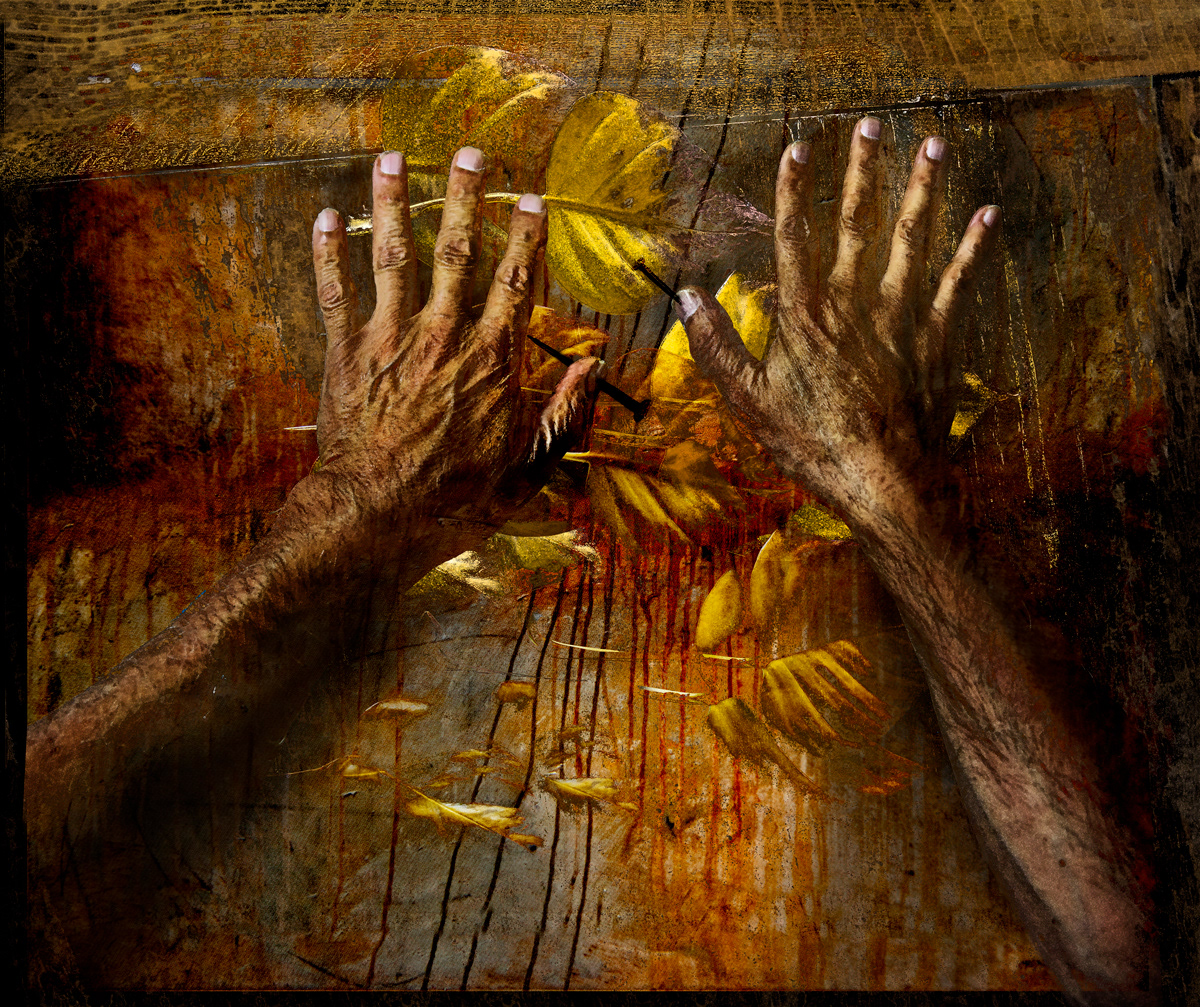
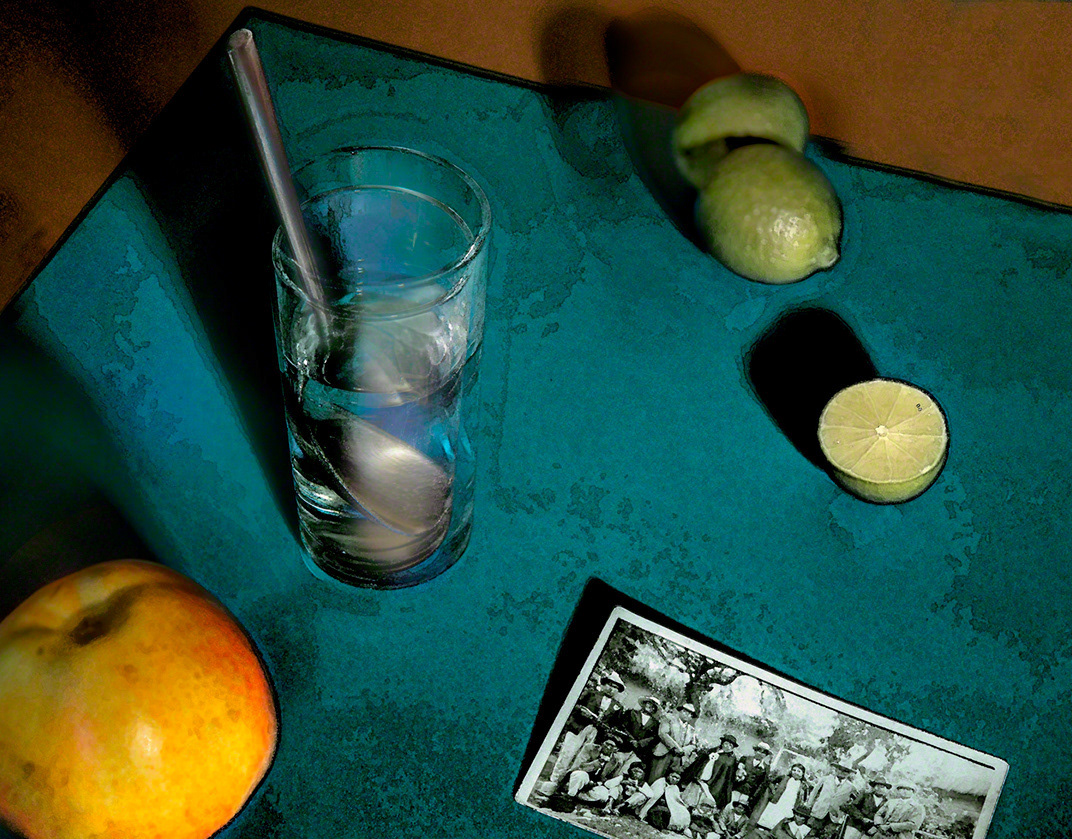
This image has been added to my on going Still Life photographic projects.
Please visit the others:
Still Live IV
You may also like
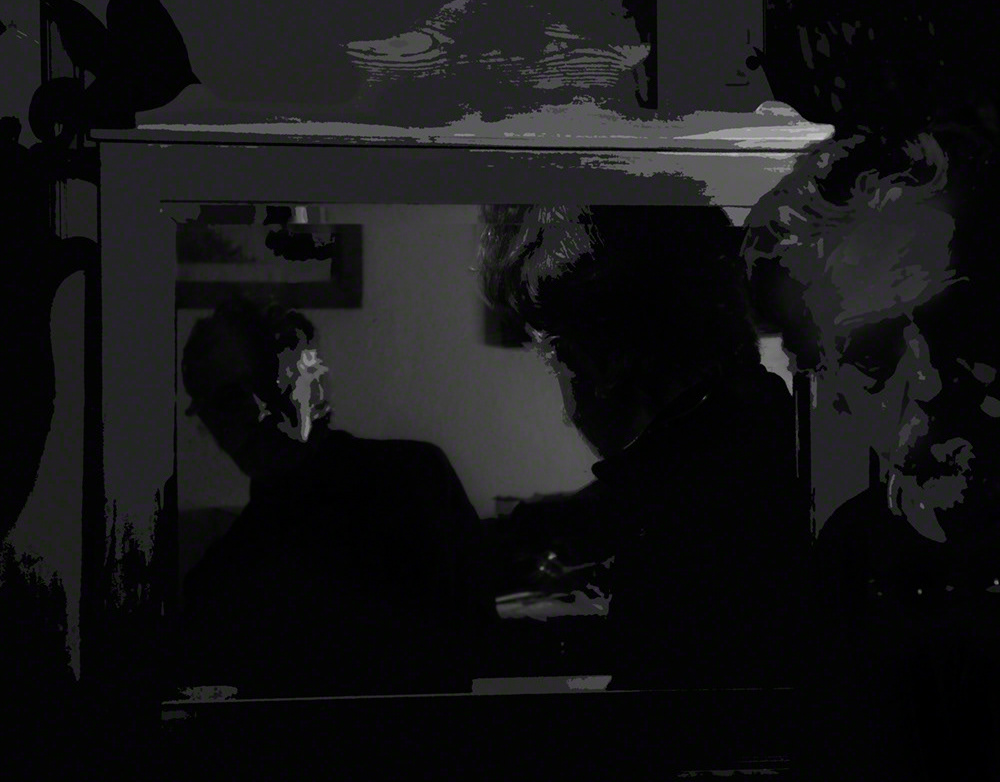
The Self - 4
Continuing with my Portraits project: The Self 4
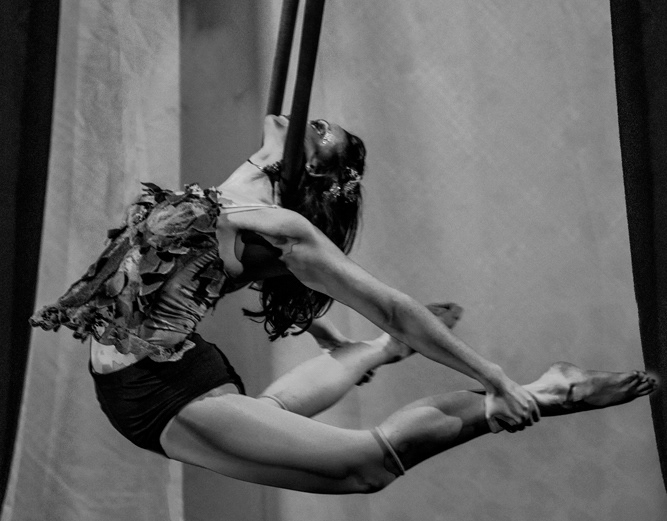
Silk, Ring, Trapeze and strength
After some doubt about this project I decided to publish it anyway. It is all in your hands, dear friends!
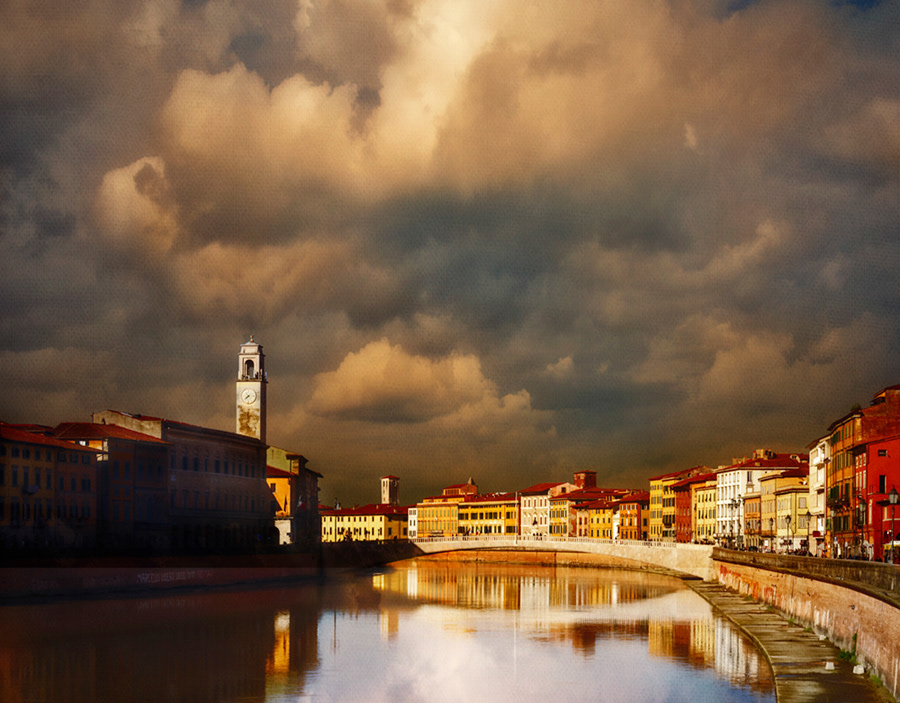
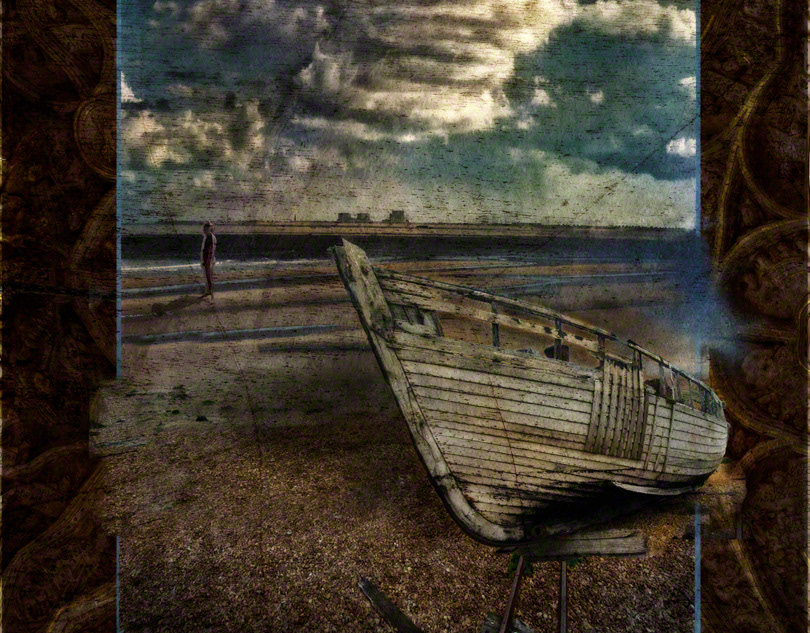
Somewhere in Italy
Somewhere in Italy... I have been checking past images that were not considered good enough; I am giving them a facelift...
Dungeness Desert - The reflections of 13 artist
The Dungeness Project is a group of artists that travel to that Kent location with the intention to 'reflect' on this unique desert, Derek Jarman and a nuclear power station.
Six photographs at Luminair Art Exhibition
For the whole of January Luminair Arts will be committing 80% of two floors of the Gallery to an 'Affordable Art Exhibition' I am presenting 6 photographs: a self portrait, one digital art and 4 still life. If you are visiting Tate Britain or are in the Pimlico/Victoria area, do pop in and visit Luminaire. The Gallery address is 7 Denbigh Street Pimlico, SW1V 2HF
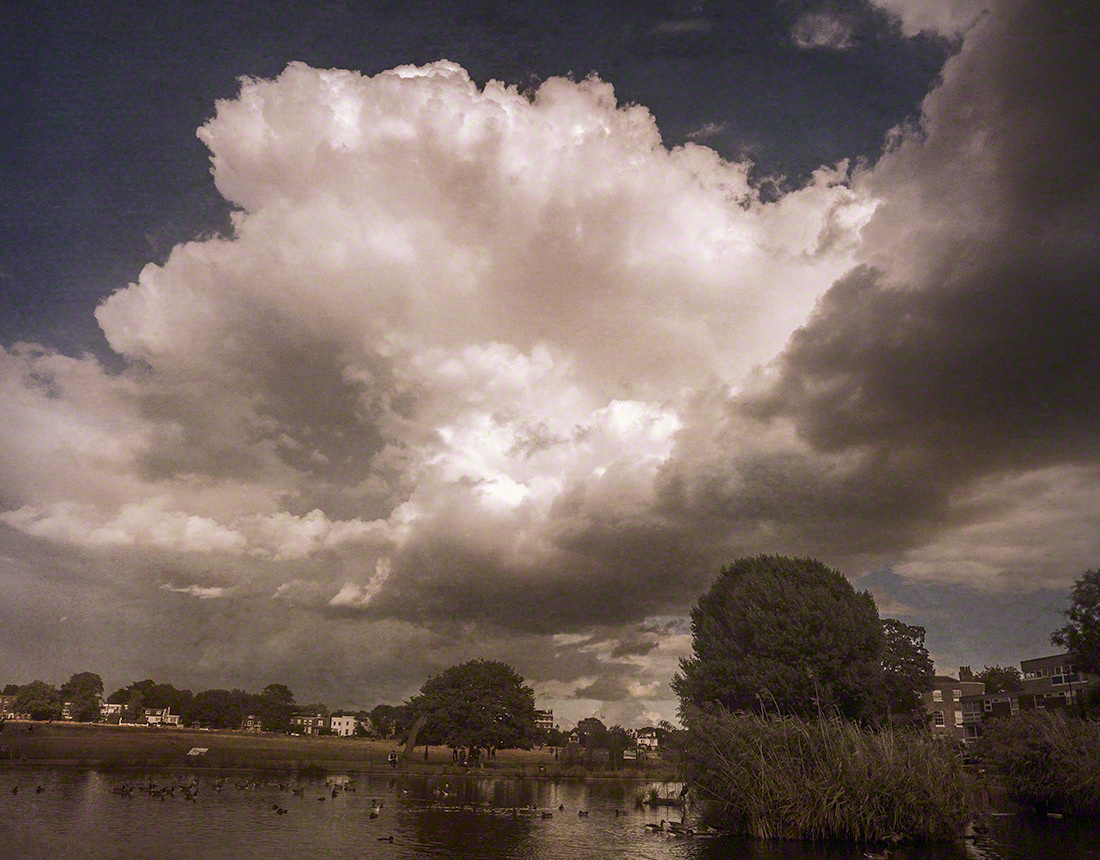
Clouds over Blackheath pond
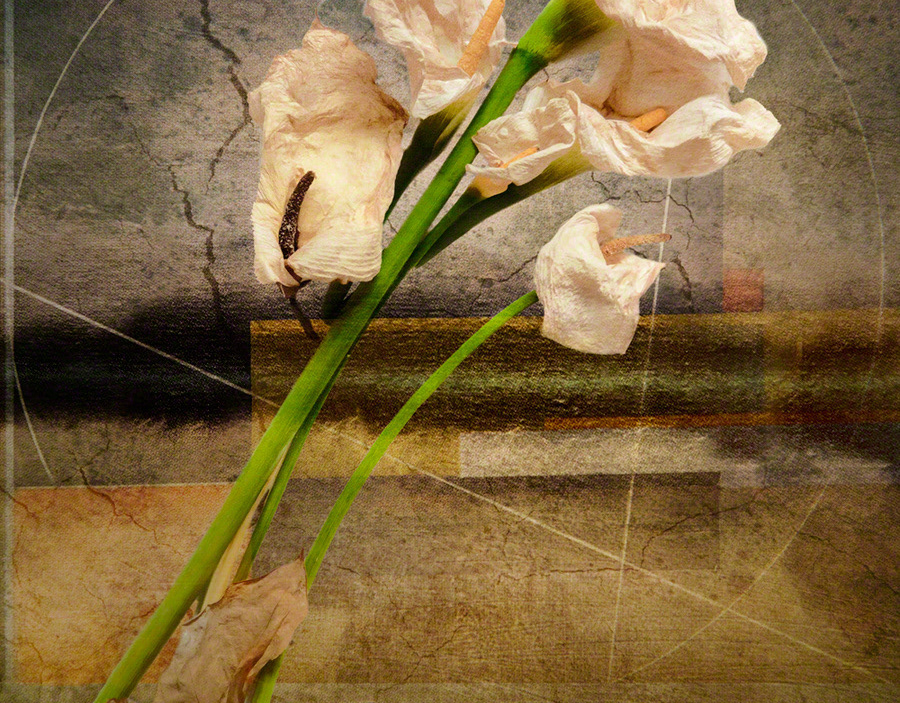
Stabat Mater (lirios)
On dead-heading some flowers on my balcony, it occurred to me that these wilted lilies might just be a good subject for a still life composition.
Five postcards from Mount Ephraim Gardens
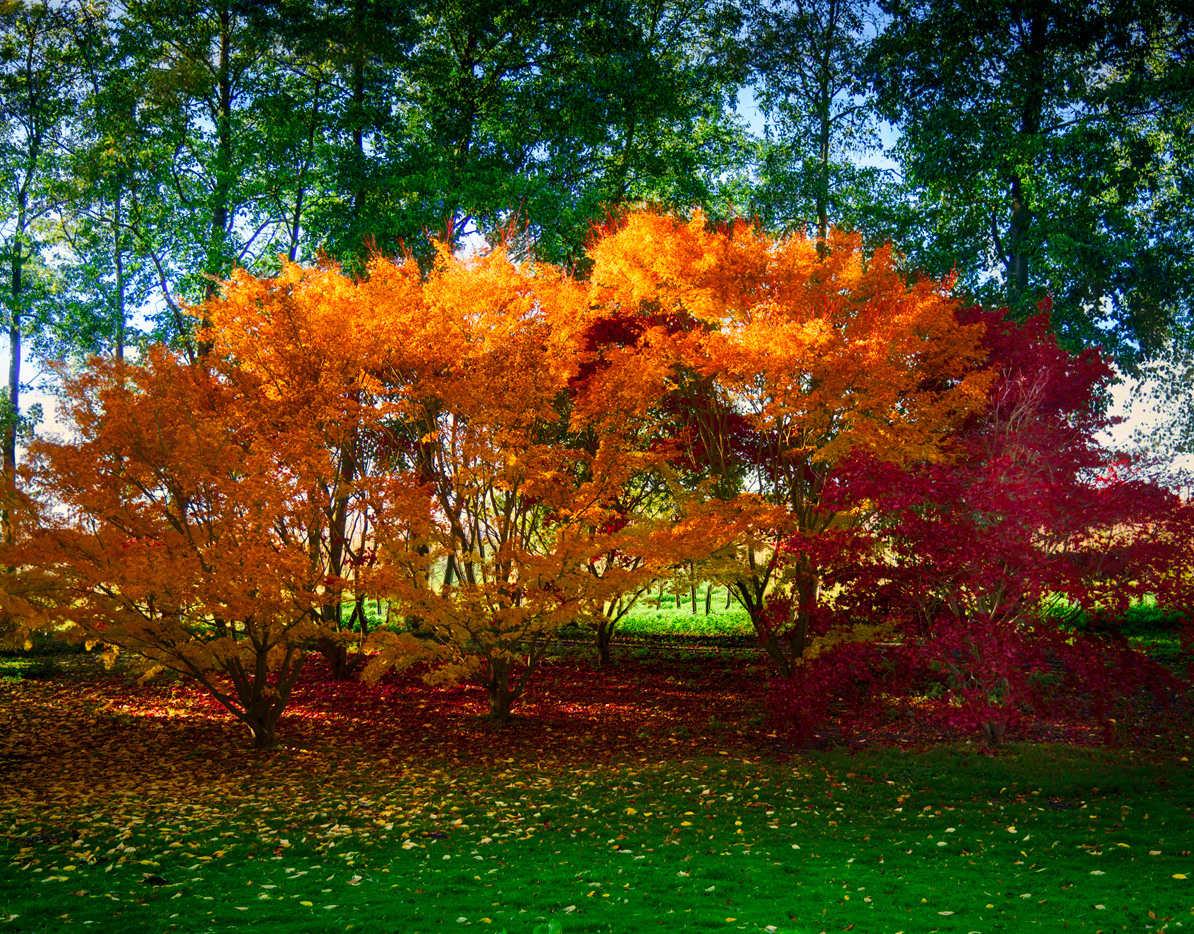
Autumn... Kent... A contribution to the panoply of autumnal photography.
The Light shines in the darkness...
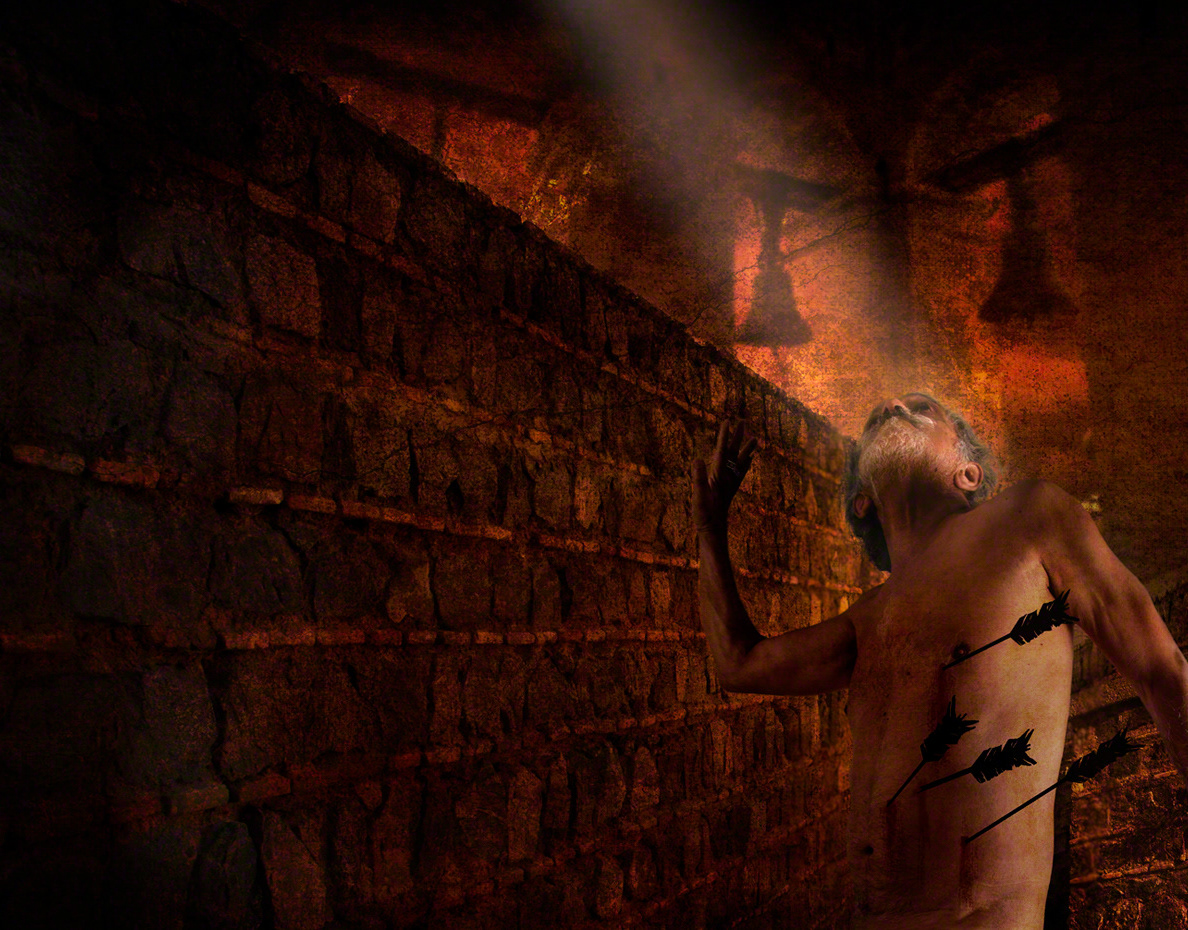
St Sebastian, martyr. Religion is a controversial subject, yet one can trace the history of strong belief in all religions. The strength of conviction is what I consider lacking in today's Procrustean times...
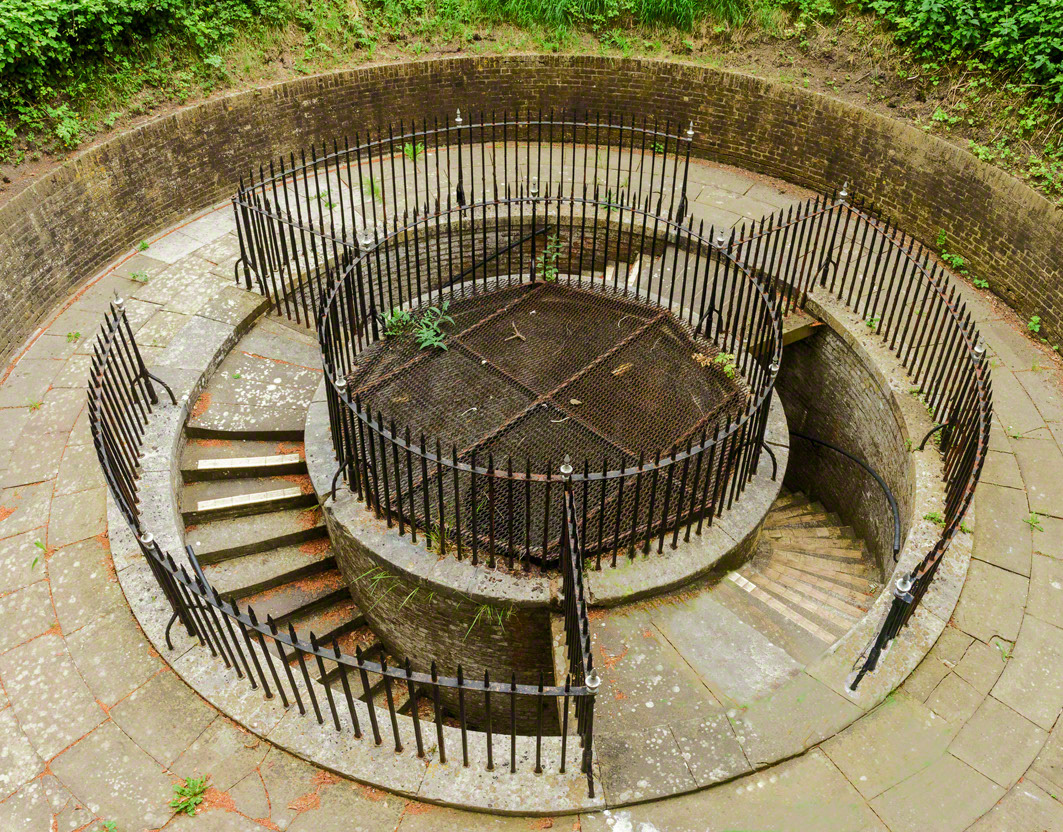
The Grand Shaft, Dover, Kent
The Grand Shaft Built between 1806-09 the Grand Shaft is a unique triple staircase at Dover. It was used by troops at the Grand Shaft Barracks and the Western Heights fortifications as a shortcut to the town below. The shaft is 140 feet deep and 26 feet in diameter. The three staircases built of Purbeck Limestone wind clockwise one above the other. In the centre is a light and ventilation shaft which is open at the top and has windows in the sides for the stairways. There are 200 steps altogether separated by several landings. At the bottom the three stairways meet up in a sloping corridor that leads to the Snargate Street entrance. By 1806 the construction of the shaft was underway. It was difficult to build particularly as the weather was poor making the earthworks in the chalk and clay dangerous. By 1809 the shaft was ready to use. At the time of its use the stairs were segregated: 1. Officers and their ladies 2. Sergeants and their wives 3. Soldiers and their women
↑
Back to Top