Image added to Still Life VI...
You may also like
Kohlrabi - a Still Life
Following the rules of Dynamic Symmetry, a humble root vegetable...
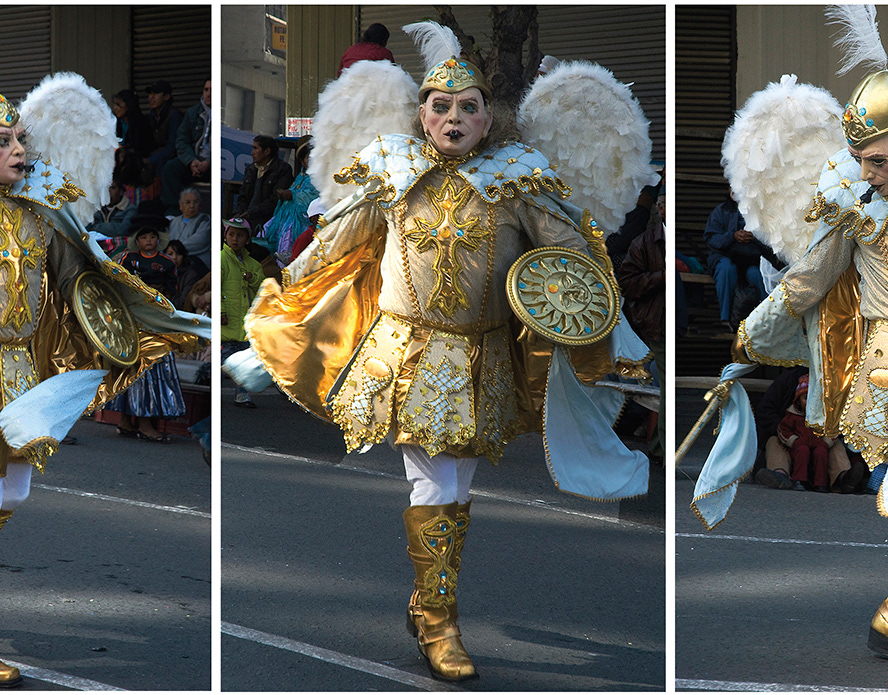
El Angel del Gran Poder
The yearly celebration of Jesus del Gran Poder gathers over 40,000 participants/dancers every year in May/June in La Paz, Bolivia. It is now considered part of UNESCO's Cultural Heritage.
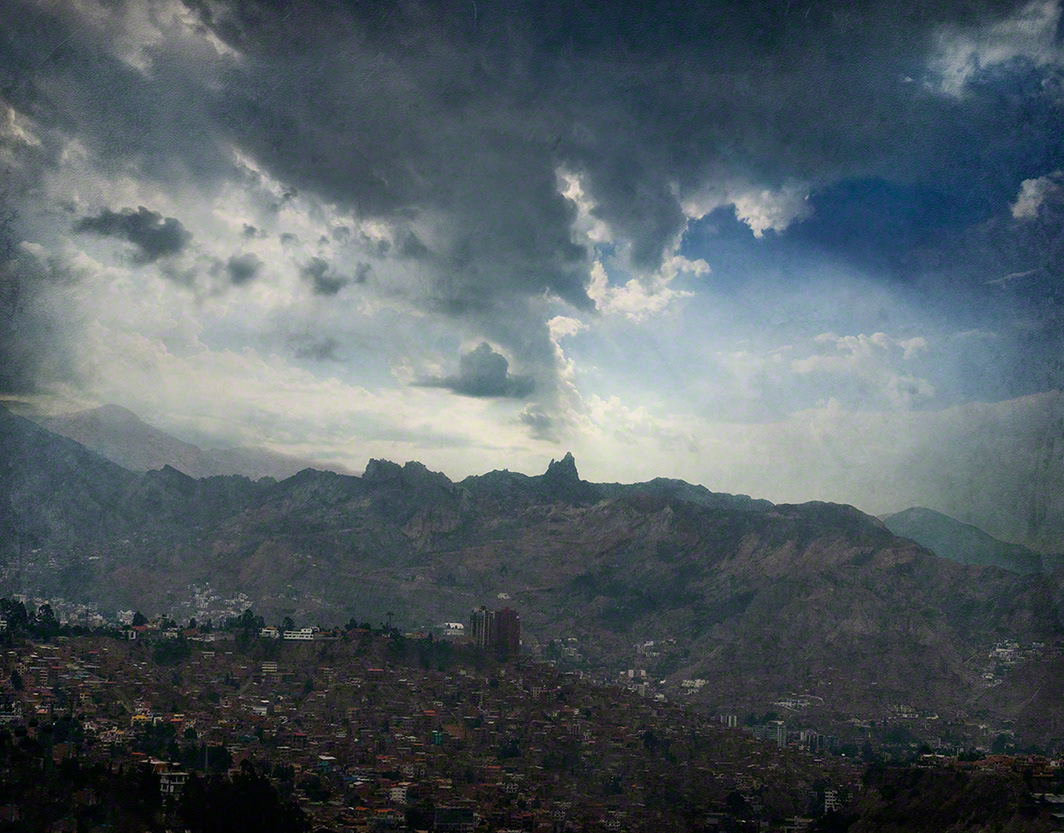
Views of La Paz, from Muela del Diablo (Devil's tooth)
The prominent rock outcrop known as the Devil’s Molar (3825m) is actually an extinct volcanic plug that rises between the Río Choqueyapu and the suburban sprawl of La Paz's Pedregal and Calacoto.
Worth trekking the few hours up from Calacoto or Zona Sur, a constant climb that seems endless. The reward is the views as you return to La Paz
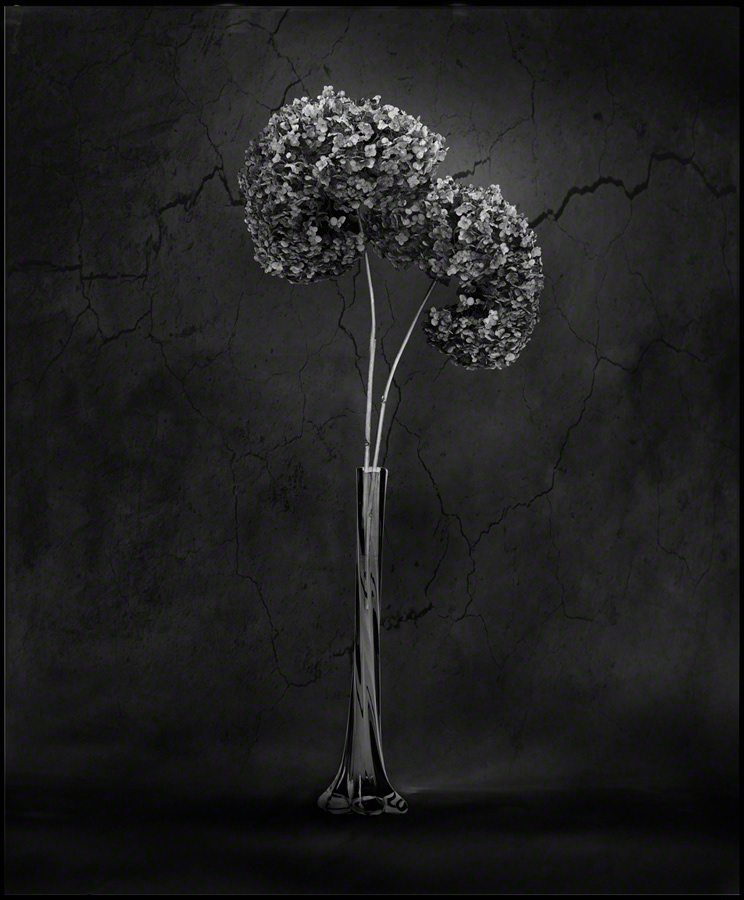
Out of chaos, dedicated to Gaza residents.
The eyes have it...
The eyes have it!
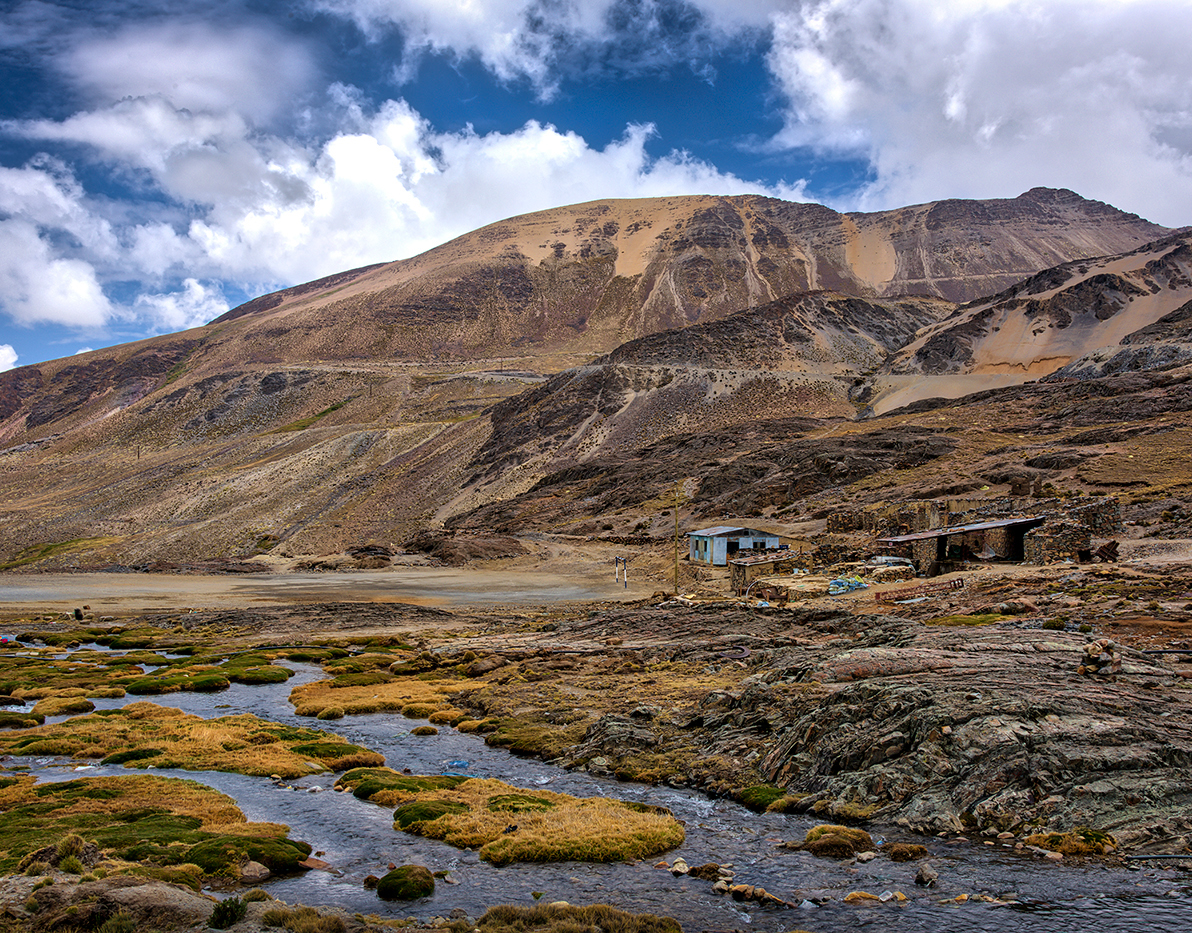
Where the air is thin
Why do we choose to live in such far away places?
Up above the clouds, with nothing but Nature and hard living...
Agapanthus: two instances of an interpretation
Exploring two interpretations...
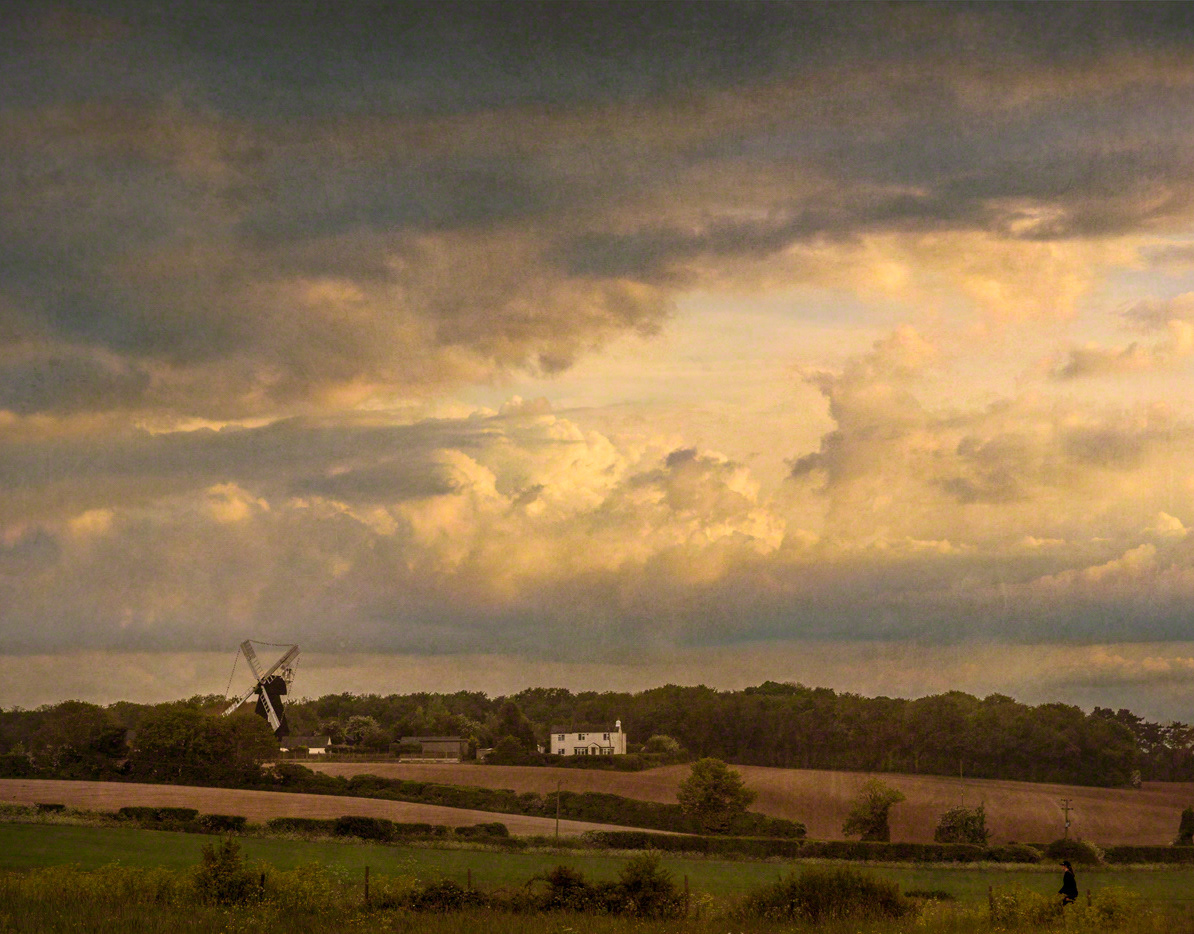
Two sunsets over the Windmill at Walmer, Kent
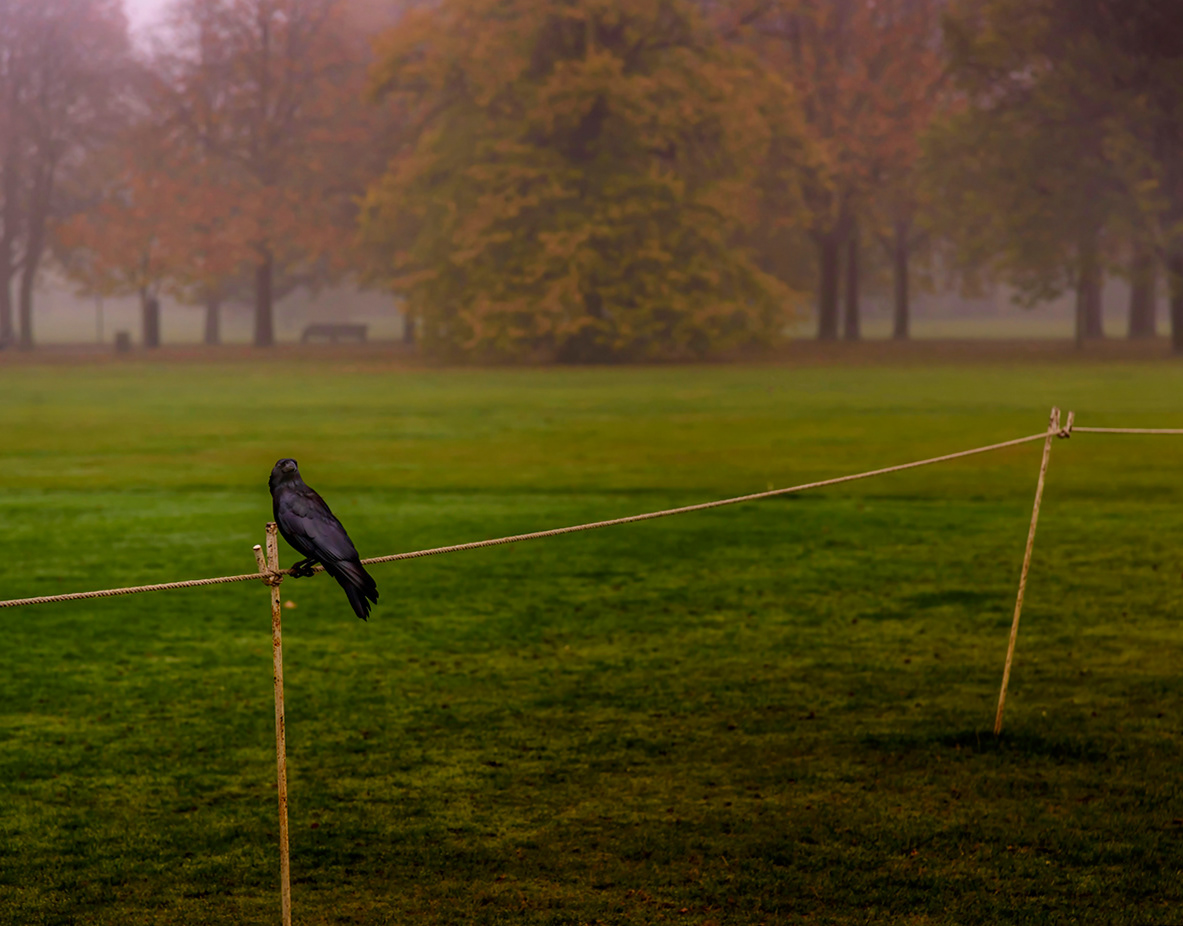
But Crow Crow
"Man could not be man nor God God.
The agony
Grew.
Crow
Grinned
Crying: “This is my Creation,” Flying the black flag of himself."
Ted Hughs
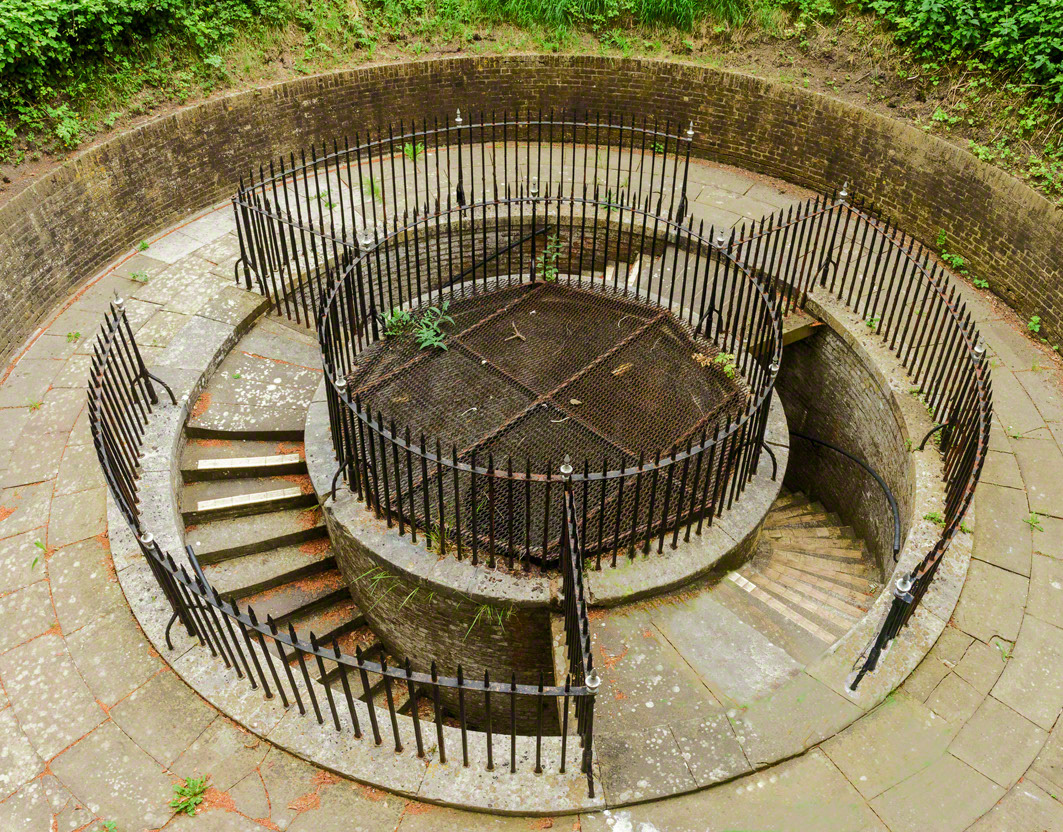
The Grand Shaft, Dover, Kent
The Grand Shaft
Built between 1806-09 the Grand Shaft is a unique triple staircase at Dover. It was used by troops at the Grand Shaft Barracks and the Western Heights fortifications as a shortcut to the town below.
The shaft is 140 feet deep and 26 feet in diameter. The three staircases built of Purbeck Limestone wind clockwise one above the other. In the centre is a light and ventilation shaft which is open at the top and has windows in the sides for the stairways. There are 200 steps altogether separated by several landings. At the bottom the three stairways meet up in a sloping corridor that leads to the Snargate Street entrance.
By 1806 the construction of the shaft was underway. It was difficult to build particularly as the weather was poor making the earthworks in the chalk and clay dangerous. By 1809 the shaft was ready to use.
At the time of its use the stairs were segregated:
1. Officers and their ladies
2. Sergeants and their wives
3. Soldiers and their women